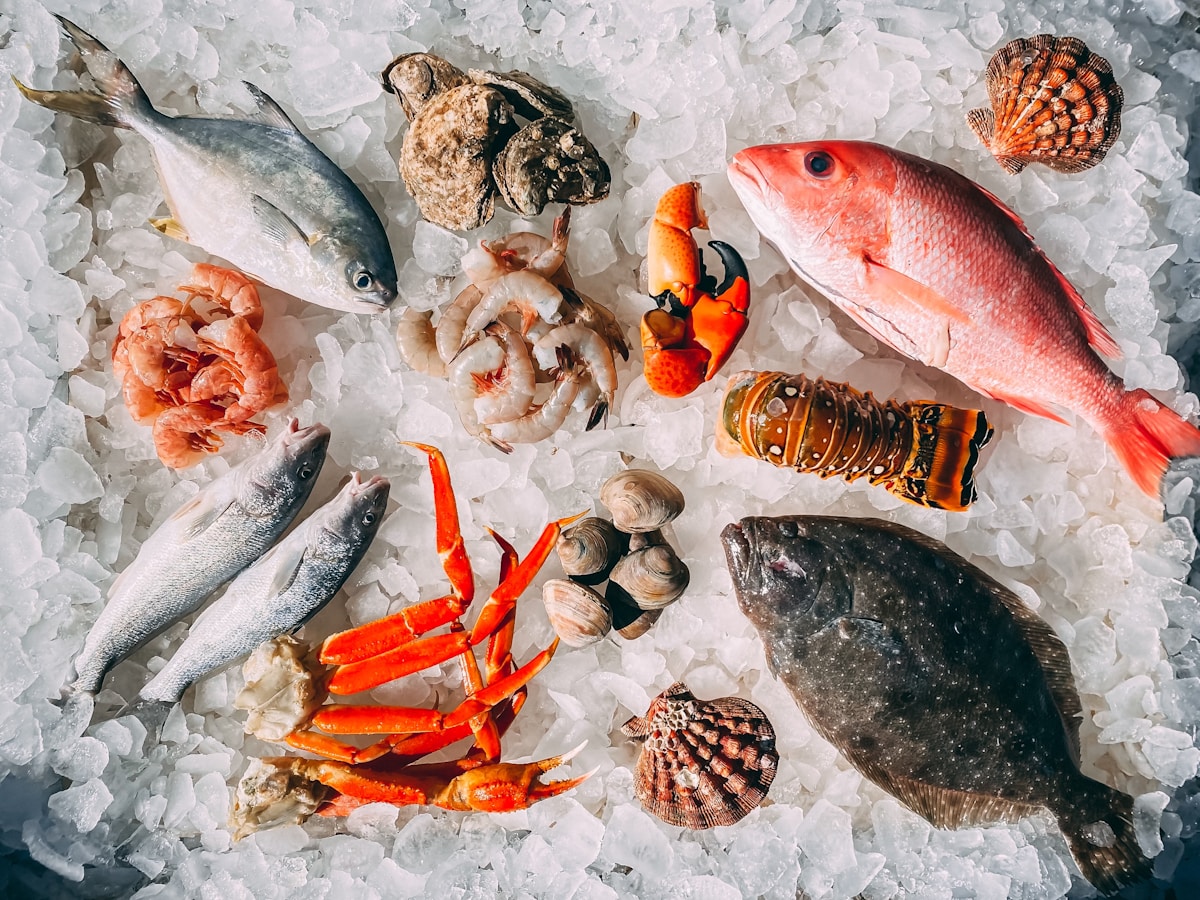
This guide does not give you "the top 10 restaurants": it teaches you to read a menu, a stall and a situation so that you do not mistake location for freshness. The rest is the reflexes of people who live here all year round, not just during the Festival.
On La Croisette, you pay for the location: not the freshness
The first rule is counter-intuitive: the better the view of the bay, the less the freshness of the produce weighs in the price. On the big seafront terraces, a large share of the bill pays for the rent, the tablecloth and the panorama. That is not a scandal: it is a business model. But it means a place with a premium location has no obligation to be better on fish, because its clientele changes every day and will not come back to check.
Conversely, a neighbourhood brasserie that lives off its regulars cannot afford to serve a lukewarm platter: the local verdict is immediate. That is why people from Cannes often move a few streets back from the seafront to find better, and cheaper, for the same quality.
Three warning signs that should make you slow down:
- A laminated menu translated into six languages with photos: designed for a passing crowd, rarely for a regular.
- A tout on the pavement who "offers" you the aperitif: good produce rarely needs selling.
- A "seafood platter" at the same fixed price all year round: the sea does not bill at a flat rate.
The signs of a truly fresh platter (and the traps on the menu)
You do not need to be a fishmonger to size up a place. A few concrete clues are enough, and they can be checked before you order.
- Fish is sold by weight and by the piece. A chalkboard marked "depending on the catch" or a chilled counter where you pick your whole fish is a much better sign than a fixed menu.
- The platter is assembled to order. Ask whether the oysters are opened to order. A platter already dressed and waiting in a display case has lost what matters most.
- The origin is stated without hesitation. A waiter who can say "these oysters come from such-and-such a basin" is giving you information you can check; an evasive "they're from the region", less so.
- The menu follows the season. Sea urchins in winter, certain fish rather in summer: a menu that changes is a menu that follows the fish auction, not the freezer.
- The smell is of the sea, not "of fish". A good fishmonger or a good seafood counter smells of iodine and freshness, never of ammonia.
On vocabulary, watch out for one detail: "seafood" and "fresh fish" are not synonyms for "caught here". A lot of shellfish and crustaceans are farmed or imported, which is perfectly normal: what matters is that it is stated, well kept and handled cleanly. Transparency is worth more than a lie about local sourcing.
Choosing your place according to the situation
The right place depends above all on what you are looking for at that moment. A quick lunch between two visits does not call for the same spot as a dinner meant to be the highlight of the stay. Here is how to steer your choice.
| Situation | Type of place to aim for | What you find there | Indicative budget |
|---|---|---|---|
| Quick lunch in town | Seafood brasserie near the Vieux-Port | Plate of oysters, mussels, small platter | €€ |
| "Treat ourselves" dinner | À la carte fish restaurant, catch of the day | Whole fish by weight, royal platter | €€€ |
| Lunch with your feet in the water | Beach restaurant | Seafood salad, grilled dishes, atmosphere | €€-€€€ |
| Takeaway / picnic | Market stall or fishmonger | Oysters by the piece, prawns, brown crab | € |
For a classic seafood meal a stone's throw from the Vieux-Port and the market, the local institution is still a harbourside brasserie: on that score, check our page on Astoux et Brun, the Cannes benchmark for seafood platters for up-to-date opening hours and menu before you set out. If you are after lunch facing the sea instead, with your toes almost in the sand, head for our picks of restaurants with a sea view in Cannes, where the focus is on atmosphere and simple produce treated well rather than the big platter.
A word on the NEWP method: all our pages link to businesses with nofollow links, with no commission and nothing in return. We send you where we would go ourselves, not where we are paid to send you.
The Forville market, the locals' real compass
If you were to remember only one address, it would not be a restaurant but a market. The Forville market, on the edge of the Le Suquet district, is where many chefs and residents stock up in the morning. It is also the best free lesson in freshness in town: walk past the fishmongers' stalls, look at what is being put forward that day, listen to what the regulars ask for. You will know straight away what is in season.
A few practical pointers to make the most of it:
- Come in the morning, early. The choice is better and the produce has not spent the day on the stall. The market runs almost every day except Monday, when it traditionally gives way to the flea market: check the opening hours in season, they can vary.
- Buy to eat soon. Oysters, cooked prawns, brown crab: enough to put together a low-cost platter for a picnic by the harbour or an improvised dinner in your rental.
- Ask to have the oysters opened. Many stalls do it on the spot; it is the cheapest way to eat truly fresh seafood in Cannes.
The market adjoins Le Suquet, the old town, which makes it a natural stop on a morning on foot: to plan the walk around it, see our guide to the districts of Cannes. That way you combine the setting and the larder.
Oysters, season and budget: ordering without being had
That leaves the part where the most money is lost for nothing: the order. Three reflexes will spare you unpleasant surprises.
First, the season. The old rule of "months with an R" (from September to April) is mainly a matter of taste: in summer, oysters are often milky because of reproduction. It is not a question of hygiene, oysters can be found all year round, including varieties farmed to stay lean in summer, but if you prefer them fleshy and briny, the cold season remains a safe bet. Ask for the size grade: a lower number means a bigger oyster.
Next, the budget. A platter for several people is shared: no need to order a "royal" per person. Tell the waiter your budget and let him put it together according to the day's catch: a good house will play along, a bad one will push you towards the most expensive option. Be wary of "all you can eat" deals on crustaceans: quantity almost always replaces quality.
Finally, the logistics. Seafood is eaten slowly and is messy: allow time, avoid ordering just before an appointment, and bear in mind that a generous platter at lunchtime can replace dinner. On this point, Cannes rewards those who are not in a hurry.
Frequently asked questions
Do you need to book for a seafood platter in Cannes?
In high season and during the major events, yes, especially in the evening and by the harbour. Out of season, a weekday lunch can often be had without booking, but a phone call saves you a wasted trip.
Can you eat fresh seafood on a small budget?
Yes: the Forville market and the fishmongers let you put together a platter for a fraction of the price of a terrace, to take away to the harbour or back to your rental.
How can you tell whether oysters are really fresh?
They should be closed, heavy, full of water, and smell of the sea. Opened to order in front of you is the ideal guarantee: a platter waiting in a display case, much less so.